Curls survive the night
Day-two curls actually look like day-one curls now. The band is snug without leaving a line across my forehead, and it fits all my hair in.
Silk Sleep
Written and reviewed by the Soielle team. We research the sleep-beauty essentials and devices we sell and keep every product detail factual and current. Last updated August 2026.
5.0 · 2 reviews£16.99
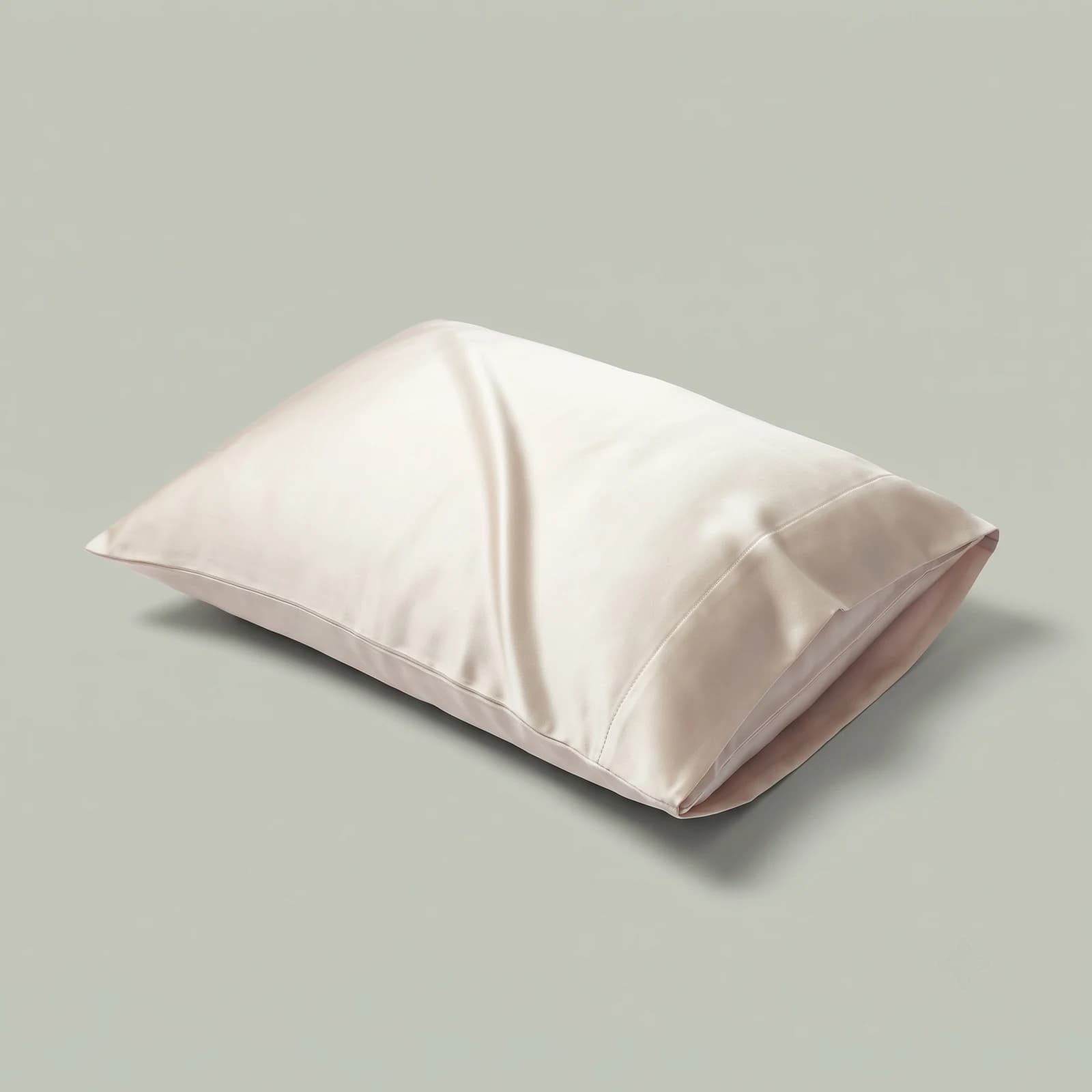
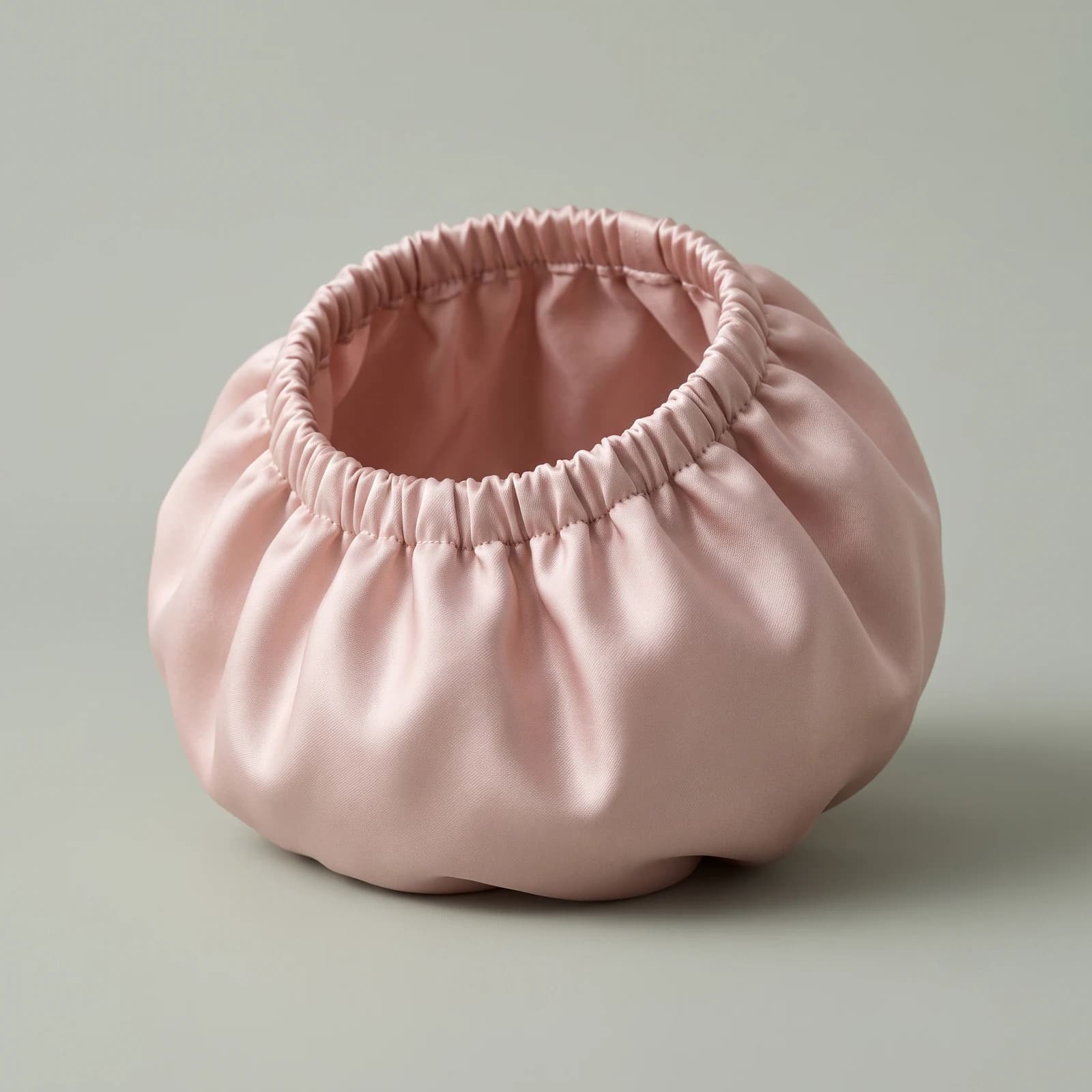
Protects your hair while you sleep, so styles last longer and mornings start smoother. A silk bonnet keeps curls, blowouts and braids from rubbing against cotton all night: the friction that causes frizz, breakage and next-day restyling.
Colour: Blush
The soft elasticated band holds through the night without leaving a dent across your forehead, and the generous crown fits long, thick and curly hair without squashing it.
you turn over dozens of times between eleven and seven, and every one of those turns drags hair across whatever your pillow is made of. A bonnet takes that contact away. It is the least effortful thing in hair care because it happens while you are asleep.
the elasticated band is the part that decides whether a bonnet is still on your head at 3am or on the floor. This one is soft enough not to press a line across your forehead and firm enough to stay put, which is the balance most cheap bonnets miss in one direction or the other.
generous through the crown, so long, thick, curly and coily hair goes in without being flattened or crammed. A bonnet that squashes a style has undone the reason you put it on. It also fits comfortably over extensions, braids and a wash-day twist-out.
the UK bonnet market runs in three bands (live prices, 2026-07-29): commodity at £2.99 to £5.94, a mid tier at £9 to £12.74, and the stated-silk specialists from £19.95 to £33.99. This sits below every specialist we found and clear of the commodity floor, with free UK delivery and 30 days to change your mind.
Two of the six questions Google surfaces most often on this search are versions of "can a white person wear a bonnet to bed?". Nobody selling one answers it, so we will.
The honest answer has two halves, and the first half is credit. Sleeping in a bonnet or a headwrap is a practice carried through generations of Black hair care, and it is there because it works: coily and curly hair is more prone to breakage at every bend in the strand, and natural oils travel down a coiled strand less easily than a straight one, so overnight friction and moisture loss cost it more. Head coverings also carry a real history in Black communities that runs well beyond hair care, including periods when they were imposed by law and then deliberately reclaimed. That history is not decoration on a product page and it is not ours to borrow lightly.
The second half is the mechanism. Friction between hair and bedding is physics, and physics does not check whose head it is on. Fine, straight, colour-treated, relaxed, curly or coily: a bonnet reduces the same overnight rubbing on all of it. Whether that is worth doing depends on your hair rather than your background. If you have a style you want to reach a second day, hair that tangles overnight, or lengths that are already fragile, a bonnet earns its place. If you have short hair and no style to protect, it probably does not.
So: wear one if it is useful to you, and know where the practice comes from. Those two things sit together perfectly comfortably. What we would ask is that you do not treat it as a discovery, because it is not a new idea and it was not ours.
Put it on last, after everything else in your night routine, so any leave-in or oil has had a few minutes to absorb rather than transferring straight into the lining.
Work with dry or barely damp hair. Sealing genuinely wet hair under a bonnet all night keeps it damp for hours, and that is uncomfortable rather than protective.
Gather your hair loosely on top of your head, not in a tight elastic. A loose pineapple, a soft scrunchie or a couple of big twists keeps volume and avoids a tension line by morning.
Tuck from the front hairline backwards. Lift the band at the front, ease your hair in, then pull the band down at the nape so the edges are covered too. The nape is where most people lose an inch.
Check the band sits on your forehead without pinching. If it is leaving a mark within a minute of putting it on, it is too far forward: move it back towards the hairline.
In the morning, take it off from the back forwards and shake the style out with your fingers rather than a brush. Refresh with water or a light spray only where you need it.
Silk Hair Bonnet
£16.99
Day-two curls actually look like day-one curls now. The band is snug without leaving a line across my forehead, and it fits all my hair in.
I've tried cheaper bonnets that end up on the floor by 3am. This one is still on when I wake up. Soft, light, does the job.