End-of-screen-day essential
Twenty minutes of gentle warmth after work and my eyes feel human again. The timer switches it off, so I can just drift.
Rest & Recovery
Written and reviewed by the Soielle team. We research the sleep-beauty essentials and devices we sell and keep every product detail factual and current. Last updated July 2026.
4.5 · 2 reviews£21.99
£26.99
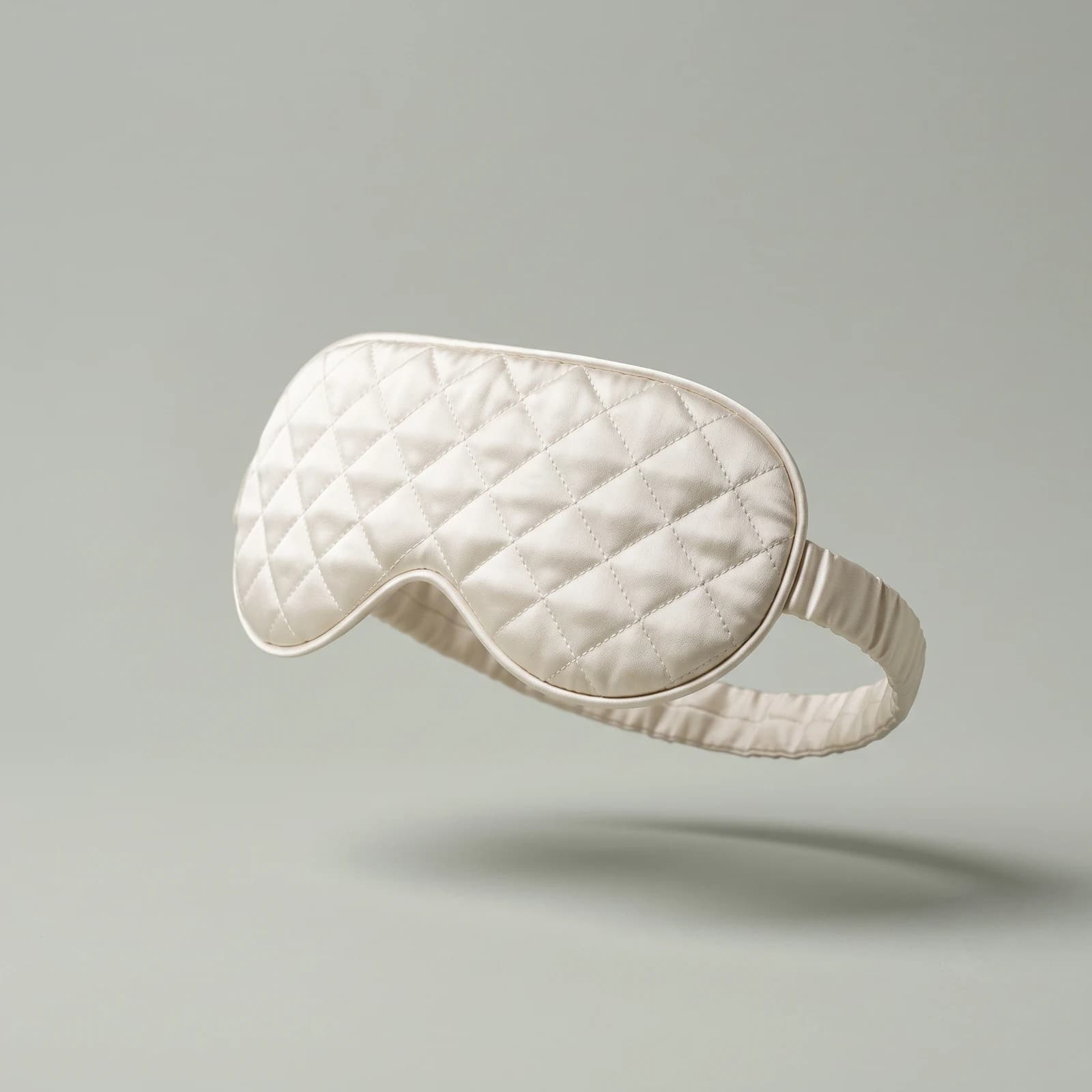
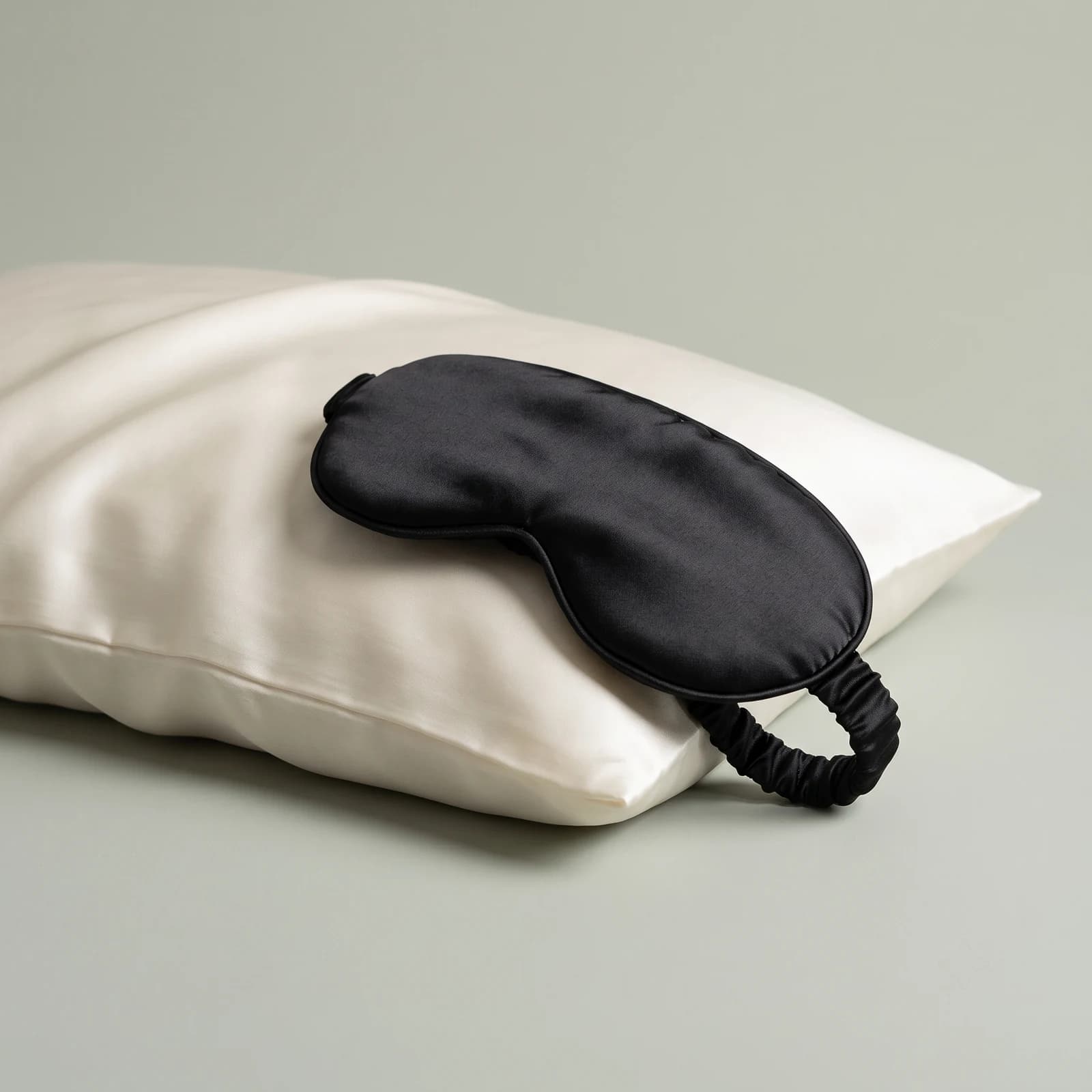
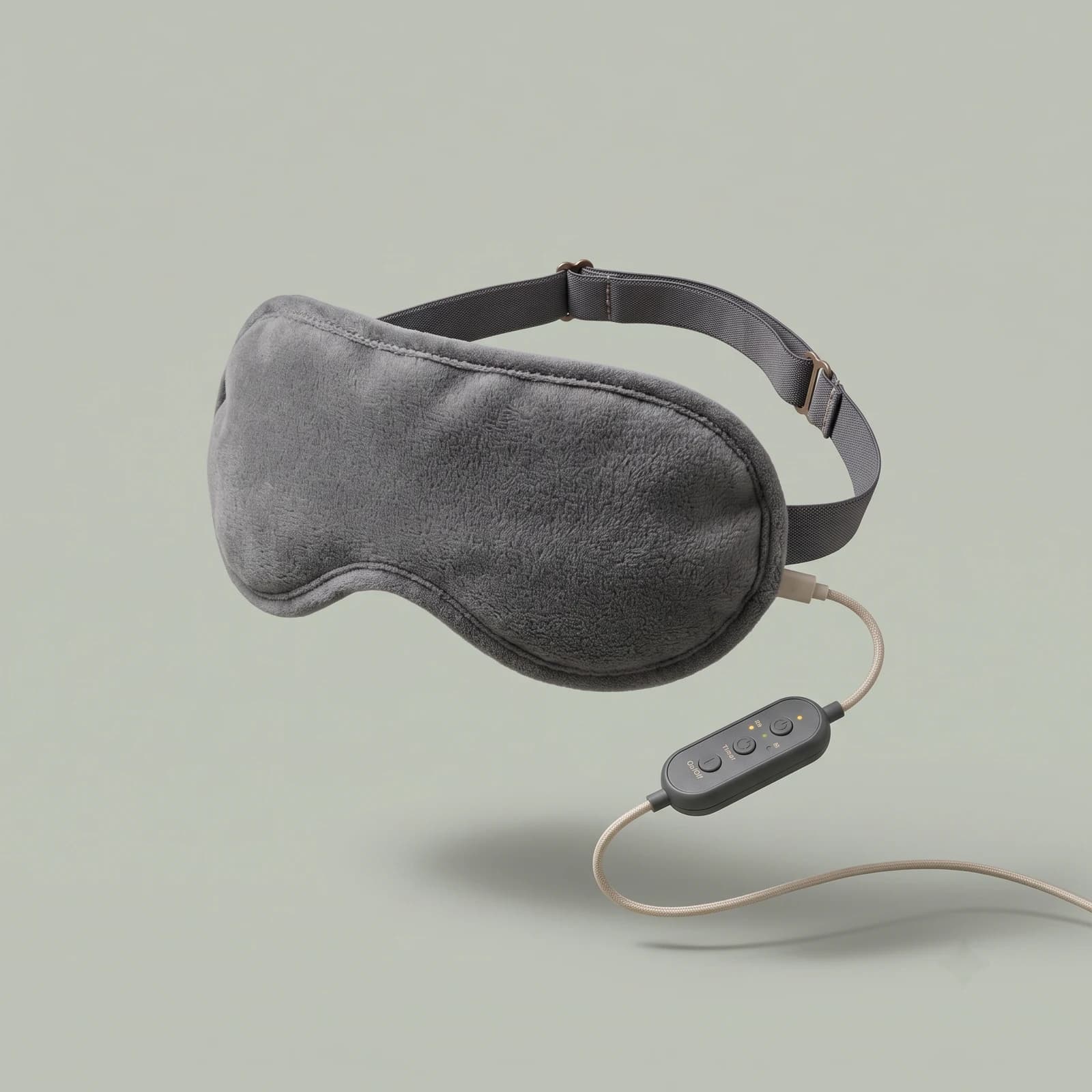
Save 19%An evening's worth of gentle warmth over closed eyes, with a timer that ends the session for you. This heated eye mask plugs into any USB port, holds the temperature you choose, and is aimed at the part of the day when you have stopped looking at things and want your eyes to stop working.
Most of the heated eye masks sold in the UK are sold for dry eyes, and that use case is real. Ours sits somewhere slightly different. Soielle is a sleep-beauty range, and this is the wind-down tool in it: the thing you put on after your skincare has gone on and before the lights go off, when your eyes have spent nine hours focusing at arm's length and feel like it.
Screen fatigue is the honest reason most people buy one. Eyes held at one focal distance all day feel tight and gritty by the evening, and warmth is a pleasant full stop on that. It also buys you ten minutes where you physically cannot look at your phone, which may be doing more of the work than the heat is.
The warmth is controlled rather than approximate. You pick a temperature setting, you pick a timer, and the mask holds that level for the length of the session instead of drifting. The auto shut-off matters more than it sounds: if you doze off halfway through, the session still ends on schedule rather than running all night.
There are three ways to warm your eyes and they cost very differently. Disposable self-heating sachets cost least up front, then you bin one every time you use it. Microwavable masks, the sort that sit around £9 to £11 in UK pharmacies, work well but need reheating and start cooling as soon as they leave the microwave. A powered mask is the third option and the one that suits an evening routine best, because you do not have to get up, and you do not have to time your relaxation around a microwave.
On price, and this one needs saying plainly. In July 2026 we went through what the UK first page was actually charging. Microwavable masks were around £9 to £11, a pharmacy clinical one was £19.49, and the powered USB and rechargeable masks ran roughly £19 to £20, with the wider Amazon range stretching from £8 to £34. At £21.99 we are at the top of the powered tier, not the middle of the market. If your only goal is warm eyes for the least money, a £10 microwavable mask genuinely does that and we would rather tell you than not. What £21.99 buys is a temperature you set rather than guess, a timer that ends the session, a cover you can take off and wash, free UK shipping and a 30-day return window.
Dry, tired-feeling eyes are the other common reason people reach for one, and warmth is a normal, comfortable thing to do about that in the evening. There is a limit to how far we will take that, though. The College of Optometrists puts it plainly: once an optometrist knows what is causing your dry eye, they can advise you on managing it. The cause is the part a product cannot diagnose. What we sell here is comfort. It is not a medical device, and we make no claim that it treats a diagnosed eye condition. If a clinician has already set you a temperature and a session length, follow theirs and use whatever they specified. Persistent pain, redness that will not settle, or any change in your vision means booking an appointment, not buying a gadget.
It packs down for travel, which is where a lot of people end up using it most. Aircraft cabins are dry, the entertainment screen sits about 40cm from your face, and a USB socket is one of the few things you can count on finding at seat level.
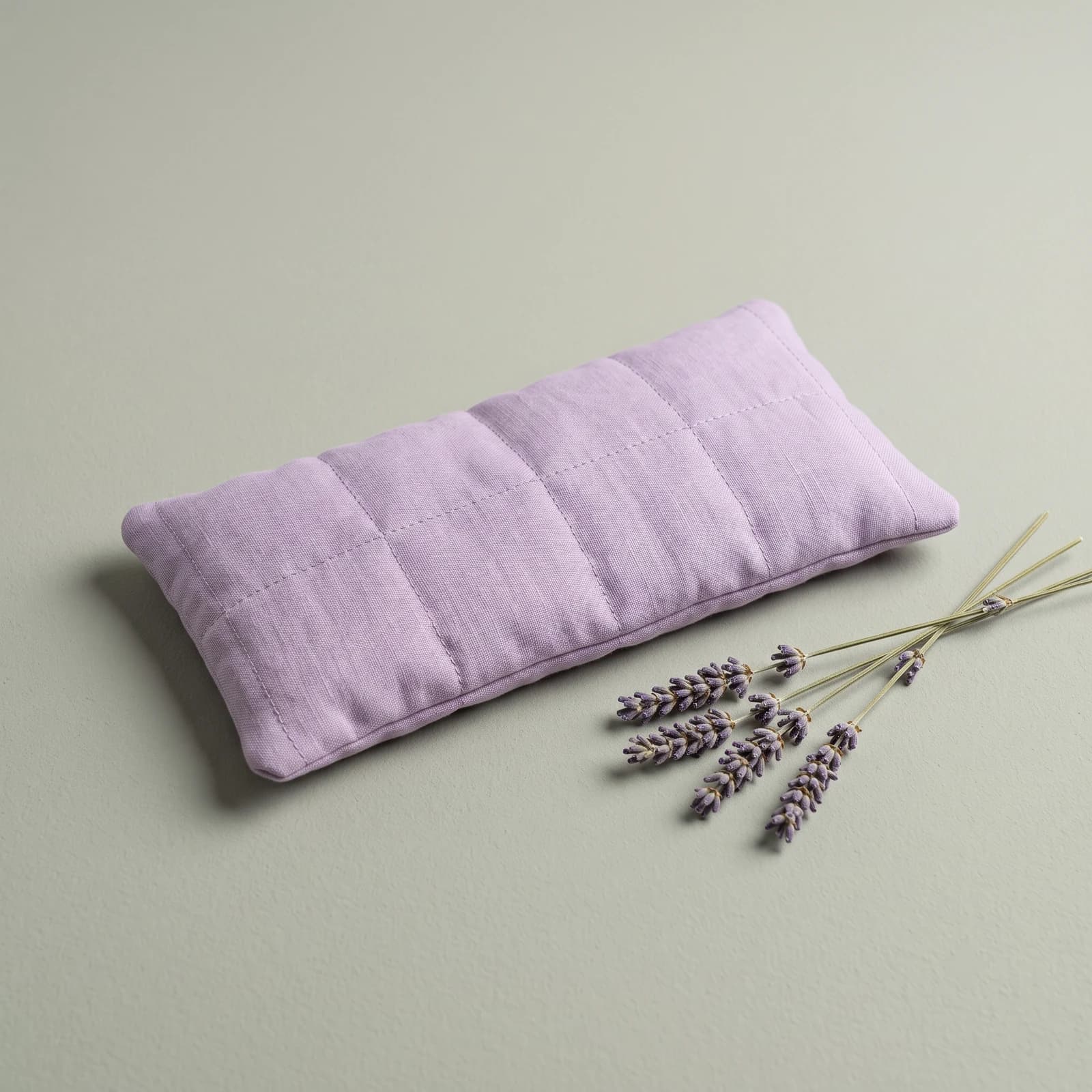
If you want the version with no cable at all, the lavender wheat eye pillow is the other side of the same idea: it warms in the microwave and then cools gradually as you lie there, where this one holds its temperature until the timer stops it. One is a device, the other is a pillow, and which suits you mostly comes down to whether you want to plug something in.
A flannel is cold before you have properly settled, and a microwaved mask starts dropping the second it comes out. A powered one stays where you set it until the timer stops it.
Auto shut-off means falling asleep in it is not a problem to solve. You do not have to stay awake to switch it off.
This is the wind-down slot: after skincare, before lights out, when your eyes have had enough of screens.
It sits against skin every night, so it should be washable. Most single-use and microwavable options are not.
Late, and after the wet steps. The slot that works for most people is once skincare has gone on and had a few minutes to sink in, with the lights already low. It lands better when there is nothing left to do afterwards, so putting it on and then getting up to brush your teeth wastes it. NHS Every Mind Matters suggests keeping phones, tablets and computers off for an hour before bed and building a calm routine out of things like reading or breathing exercises, and a warm mask is an easy anchor for that hour because you cannot look at a screen through it.
Ten minutes is the length most people settle on, and going longer is not better. What you are after is steady comfortable warmth, not maximum heat, and a longer session mostly just means warm skin. If you are using it to close out a screen-heavy day, the useful part is often that you cannot see your phone for the duration.
If you are the kind of person who falls asleep the moment anything warm touches them, set the shortest timer and let it end by itself. That is what the auto shut-off is for. What we would not do is treat it as a sleep mask and wear it all night: it is a session tool, and the strap and the cable both make more sense for ten minutes than for eight hours.
One thing worth saying about ordering. If your evenings are inconsistent, leave it out where you will actually see it. A device in eyeline gets used; a device in a drawer does not.
Plug the mask into a USB port and check the controller is on the setting you want.
Remove contact lenses first if you wear them, and let any skincare settle so the mask is not resting on a wet layer.
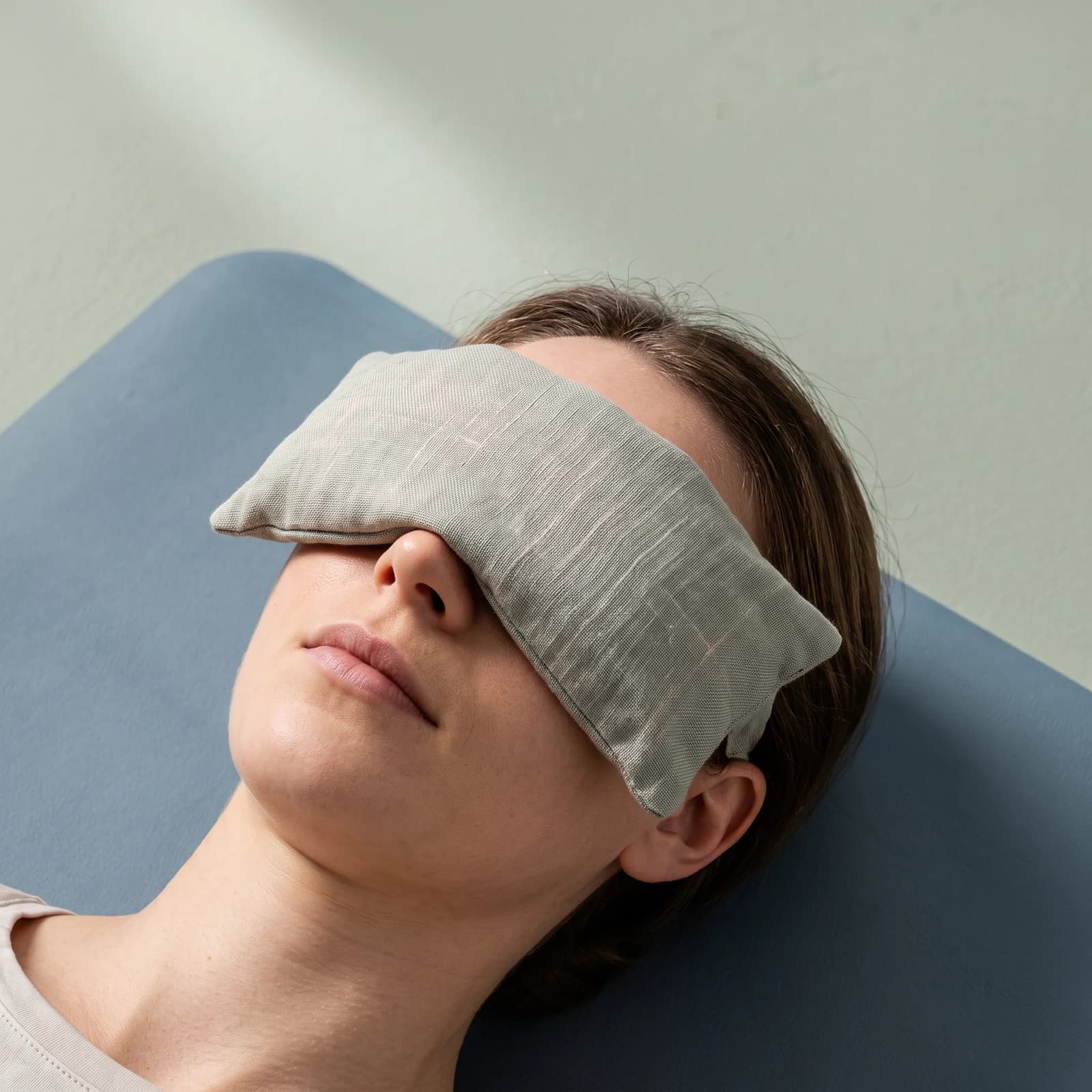
Settle it over closed eyes so it lies flat across the whole eye area, and adjust the strap so it rests rather than presses.
Choose your temperature and timer. Start on the lowest setting the first time and work up from there.
Lie back for the session. If the warmth stops feeling pleasant at any point, take it off rather than pushing through.
Let the timer end the session, then follow with eye cream or serum if that is part of your routine.
USB Heated Eye Mask
£21.99
Twenty minutes of gentle warmth after work and my eyes feel human again. The timer switches it off, so I can just drift.
Warms up quickly and the cover washes easily. Cable placement takes a night to get used to, but the warmth is worth it.